As global LNG infrastructure expands, the expertise built in upstream oil and gas — particularly around hazardous area inspections — is increasingly transferable to terminals, storage facilities and regasification plants. Arnlea makes the case that advanced EX inspection software like Nexar should be a non-negotiable from day one of any LNG project, not an afterthought.
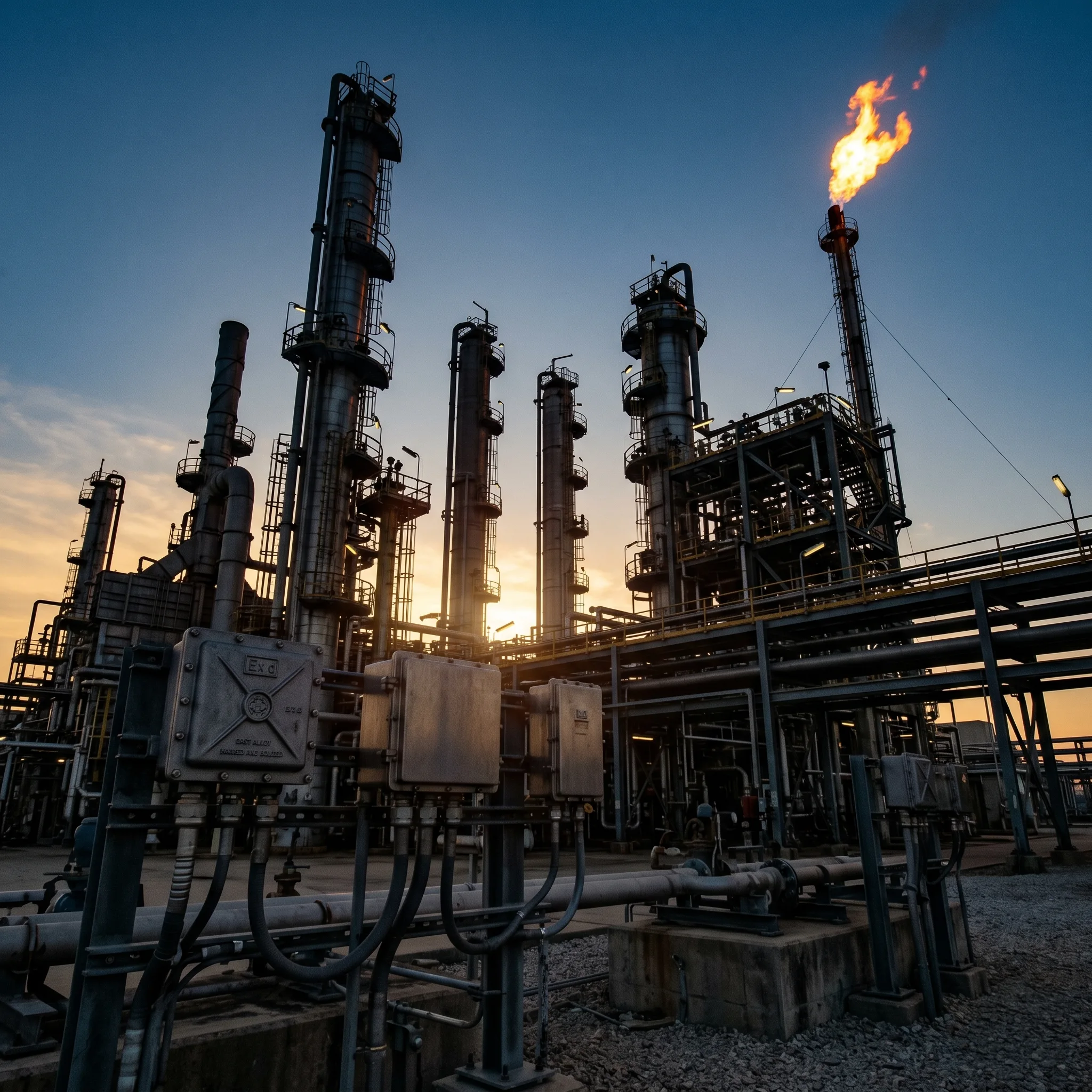
ATEX (Atmosphères Explosibles) refers to two EU directives governing explosion safety where flammable gases, vapours, or combustible dusts may be present. One covers equipment certification, the other covers workplace obligations. In the UK, the same requirements apply through DSEAR. The blog explains the directives, zone classification, equipment categories, Ex markings, and the relationship between ATEX and IECEx.
A plain-language guide to ATEX and IECEx Ex inspections — the regulatory framework, the three grades of inspection, the four inspection types, and how digital platforms are replacing paper processes.
A behind-the-scenes look at how Arnlea develops and improves Nexar, featuring insights from Head of Product Kailee Hoffman on onboarding, integrations, AI, and the future of inspections.
Arnlea has been shortlisted for the Hazardex Awards 2026 Technical Innovation Award for its cloud-based Ex inspection software, Nexar. Public voting is now open until 1st February 2026.
Moving from paper or spreadsheets to Nexar doesn’t have to be difficult. Our onboarding process includes full data migration, cleaning, and structuring so clients start with accurate, audit-ready inspection records from day one.
Aberdeen’s deep-rooted connection to the energy industry is being tested once again as uncertainty surrounds the upcoming UK Budget. This blog reflects on the city’s resilience, community spirit, and the shared determination of local businesses and families who continue to support the future of Aberdeen and the UK energy sector together.
Arnlea exhibited at the Wider African Energy Summit 2025 in Aberdeen, where Claire Murray and Jen Hughes connected with industry leaders to discuss digital inspection technology, supply chain innovation, and opportunities across the African energy sector.
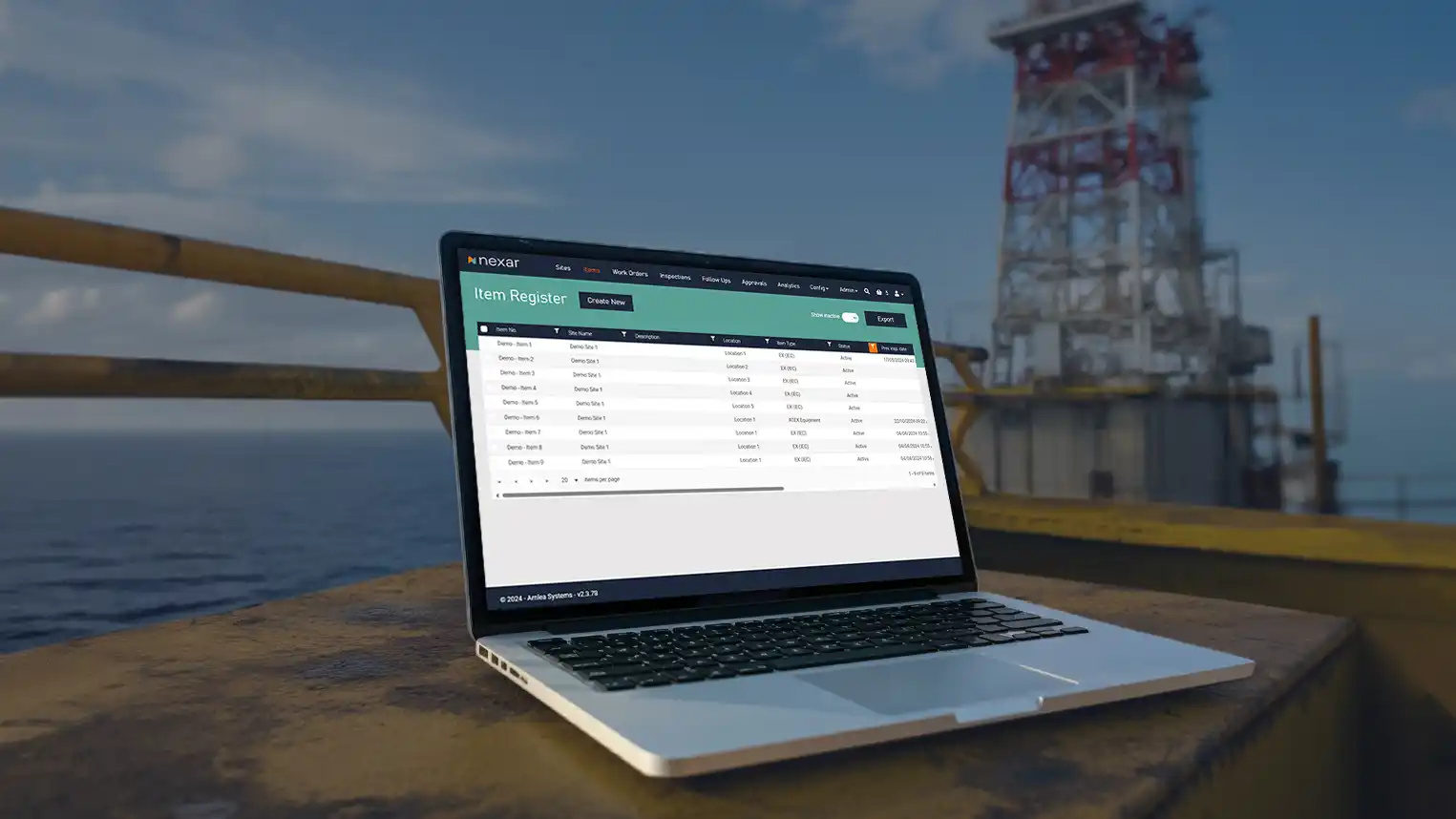
This blog explains what Arnlea’s Nexar software is, how it works, and who it is designed for. It highlights Nexar’s ability to digitise asset registers, streamline inspections, work online or offline, integrate with systems like SAP and Maximo, and support teams operating in hazardous environments.
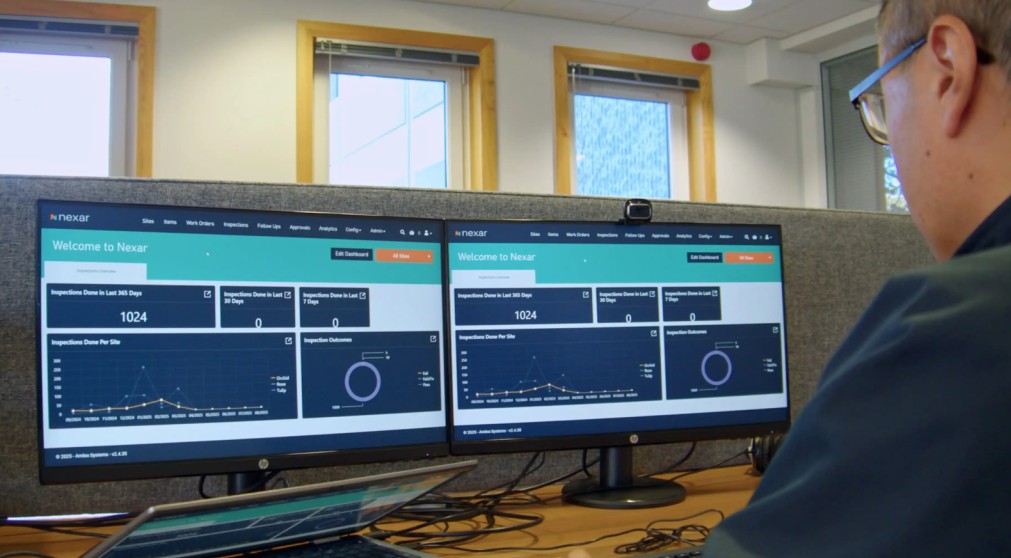
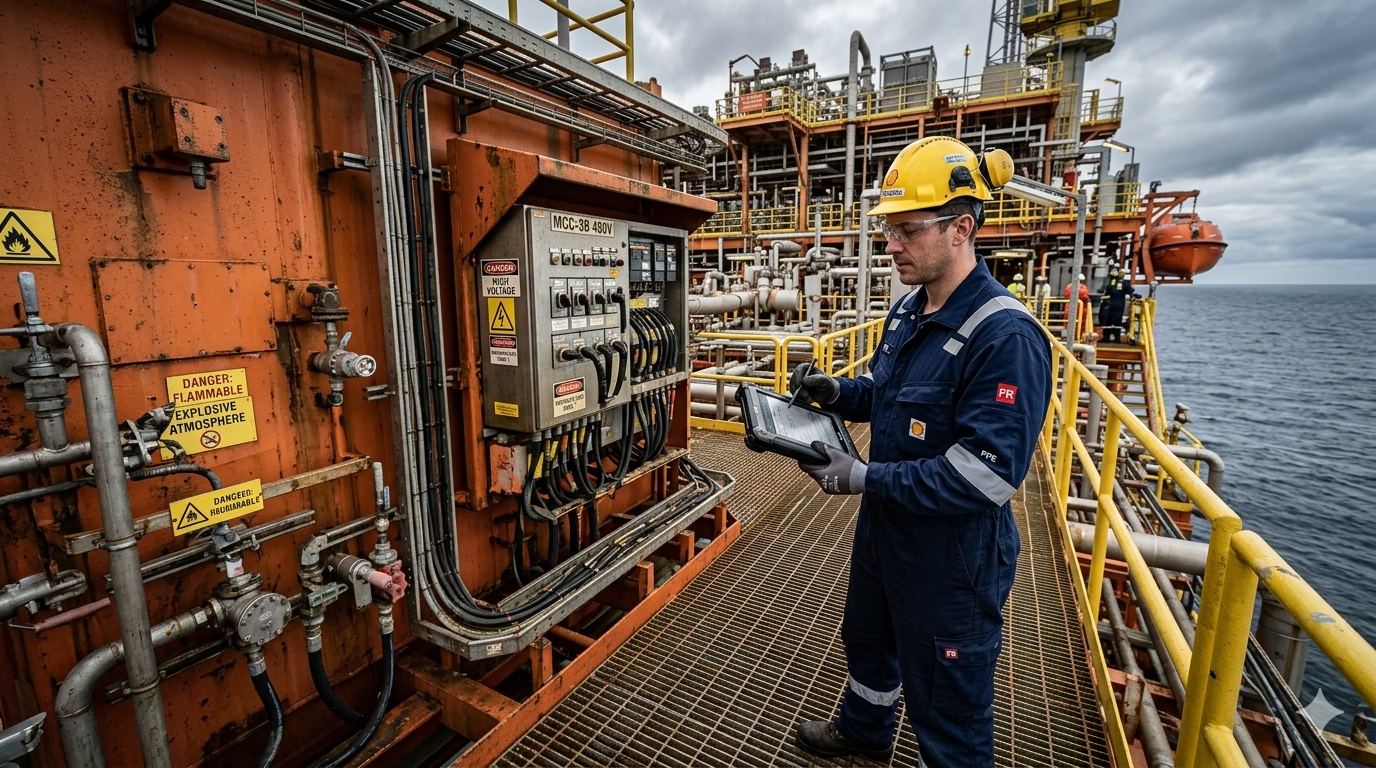
Nexar is Arnlea’s inspection and asset management software, designed to optimise Ex inspections. It gives teams instant access to asset data, maintenance records, and certifications — ensuring inspections are completed quickly, safely, and in compliance with IECEx standards.
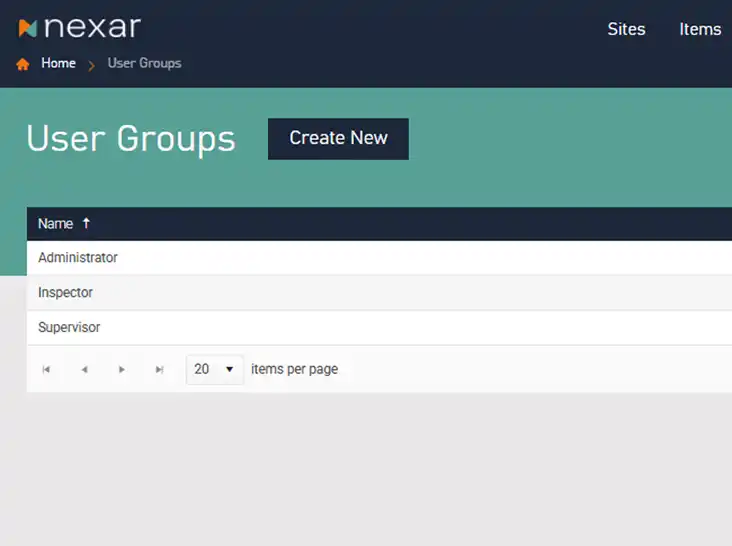
Arnlea’s Nexar software makes inspections simpler and more secure with role-based access for every team member. By assigning specific permissions and automatically recording all activity, Nexar helps improve efficiency, compliance, and teamwork in hazardous area inspections.
Arnlea CEO Allan Merritt reflects on the company’s origins in Aberdeen and its 30-year journey from early inspection tools to Nexar — a cloud-based software solution transforming safety, compliance, and efficiency across the global energy industry.