Blogs

37th Anniversary of the Piper Alpha Accident

By
Arnlea
Date Published:
July 7, 2025
|
Date Updated:
September 9, 2025
Share this post
ATEX Inspection
Hazardous Area Monitoring
Risk Assessment
arnlea---piper-alpha-37-years-blog-image

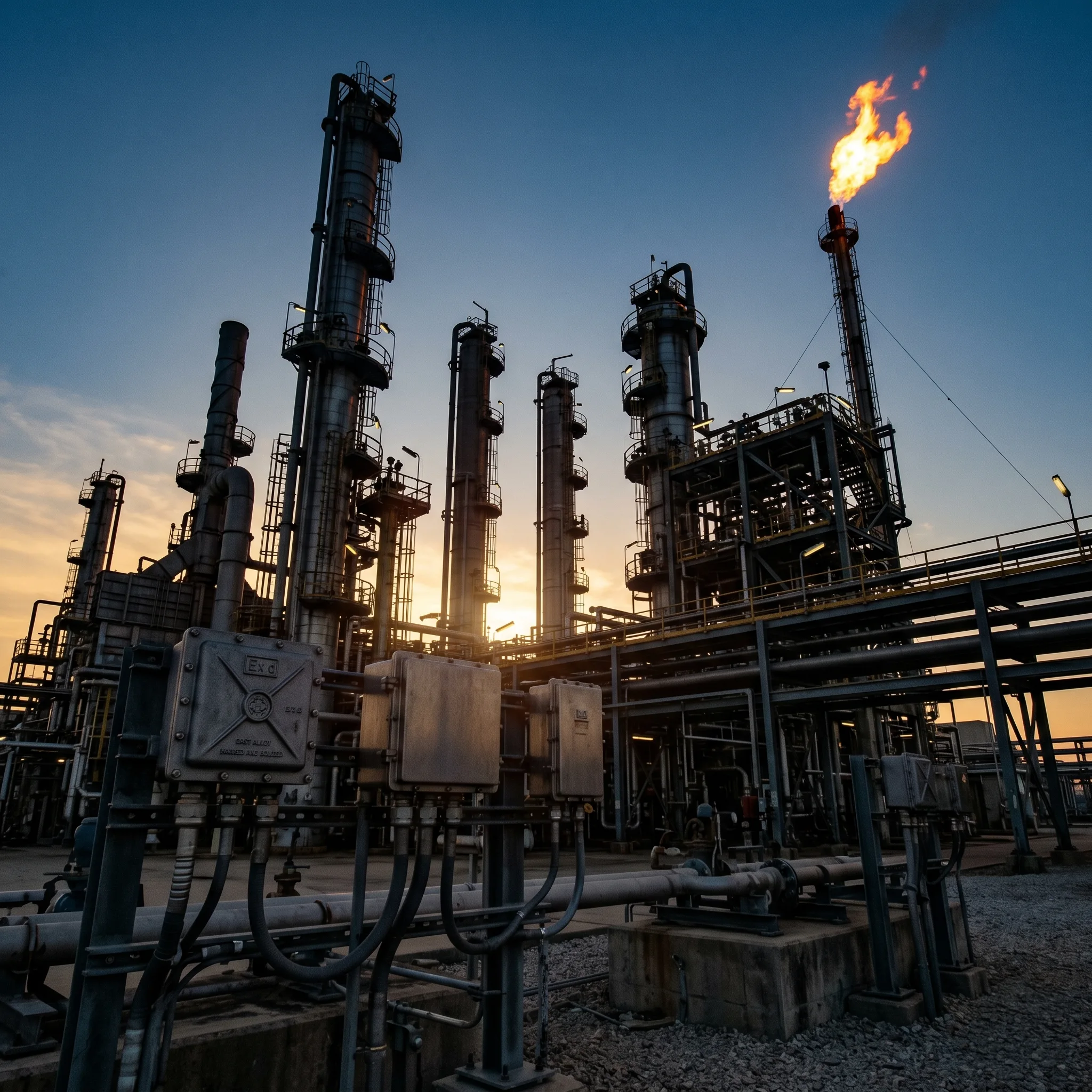
On the 6th of July 1988, the Piper Alpha disaster became a defining moment in the history of the offshore oil and gas industry. The impact of that night is still felt across the energy industry and, more profoundly, in the lives of families, friends, and colleagues who continue to carry the memory of those who never came home.

The Cullen Report, which followed Lord Cullen’s investigation into the disaster, led to sweeping changes in offshore safety procedures. It was out of this tragedy, and the vital lessons learned, that Arnlea was founded.

From the very beginning, Arnlea has focused on improving safety, compliance, and visibility across hazardous operations. Today, our Ex inspection software, Nexar, plays a key role in helping energy companies prevent the kind of systemic issues that contributed to Piper Alpha.

We don’t take that responsibility lightly.

On this anniversary, we pause to honour the legacy of Piper Alpha and the people who were lost. We remain committed to upholding the highest safety standards and doing our part to ensure such a disaster is never repeated.

Share this post
Support

Frequently asked questions

Everything you need to know about the product and billing.
What equipment needs ATEX inspection?
Everything in a classified hazardous area. That covers electrical items (motors, lighting, junction boxes, panels, instrumentation) and non-electrical equipment where it has been assessed as a potential ignition source, such as rotating machinery or equipment that could generate static.‍
What standard governs ATEX inspections?
IEC 60079-17 (BS EN 60079-17 in the UK). It defines the three inspection grades, the four inspection types (initial, periodic, sample, special), and the requirements for inspection intervals and documentation.
How often should ATEX inspections be carried out?
IEC 60079-17 states that the interval between periodic inspections should not exceed three years, though this can be adjusted based on a documented risk assessment. Initial inspections must happen before commissioning. Portable apparatus typically needs inspecting every 12 months.
What are the three grades of Ex inspection?
Grade V (Visual) covers defects visible without tools, with equipment energised. Grade C (Close) covers defects found using hand tools and access equipment. Grade D (Detailed) covers defects found by opening enclosures and using test equipment, with the equipment de-energised.
What is ATEX/IECEx inspection?
It is the systematic examination of equipment installed in hazardous areas to verify it remains safe, correctly installed, and compliant with explosion protection standards. The process is governed by IEC 60079-17 and is a legal requirement under ATEX (in Europe) and DSEAR (in the UK).
Arnlea's Solutions

Discover our Range of Services

Arnlea provide more than just Ex software—we offer a complete solution to digitalise and optimise your Ex inspection process.

Nexar

Nexar is Arnlea’s powerful, purpose-built, cloud-based software for hazardous area inspections and asset management. Easy to deploy and simple to use, it’s packed with smart features that streamline your operations.

RFID Tags

Ensure accurate asset tracking with RFID tags, QR codes, or barcodes, reducing manual errors and improving efficiency.

ATEX Devices

We partner with top suppliers to provide the latest ATEX-certified tablets, mobiles, scanners, and laptops—ensuring you have the right technology for hazardous environments.
DIGITALISE YOUR EX INSPECTIONS TODAY
Start your journey with NEXAR
improve compliance
enhance safety
increase productivity
Nexar solution logo