Blogs

Complete Confidence: Audit Trails with Nexar

By
Arnlea
Date Published:
August 26, 2025
|
Date Updated:
October 15, 2025
Share this post
ATEX Inspection
Hazardous Area Monitoring
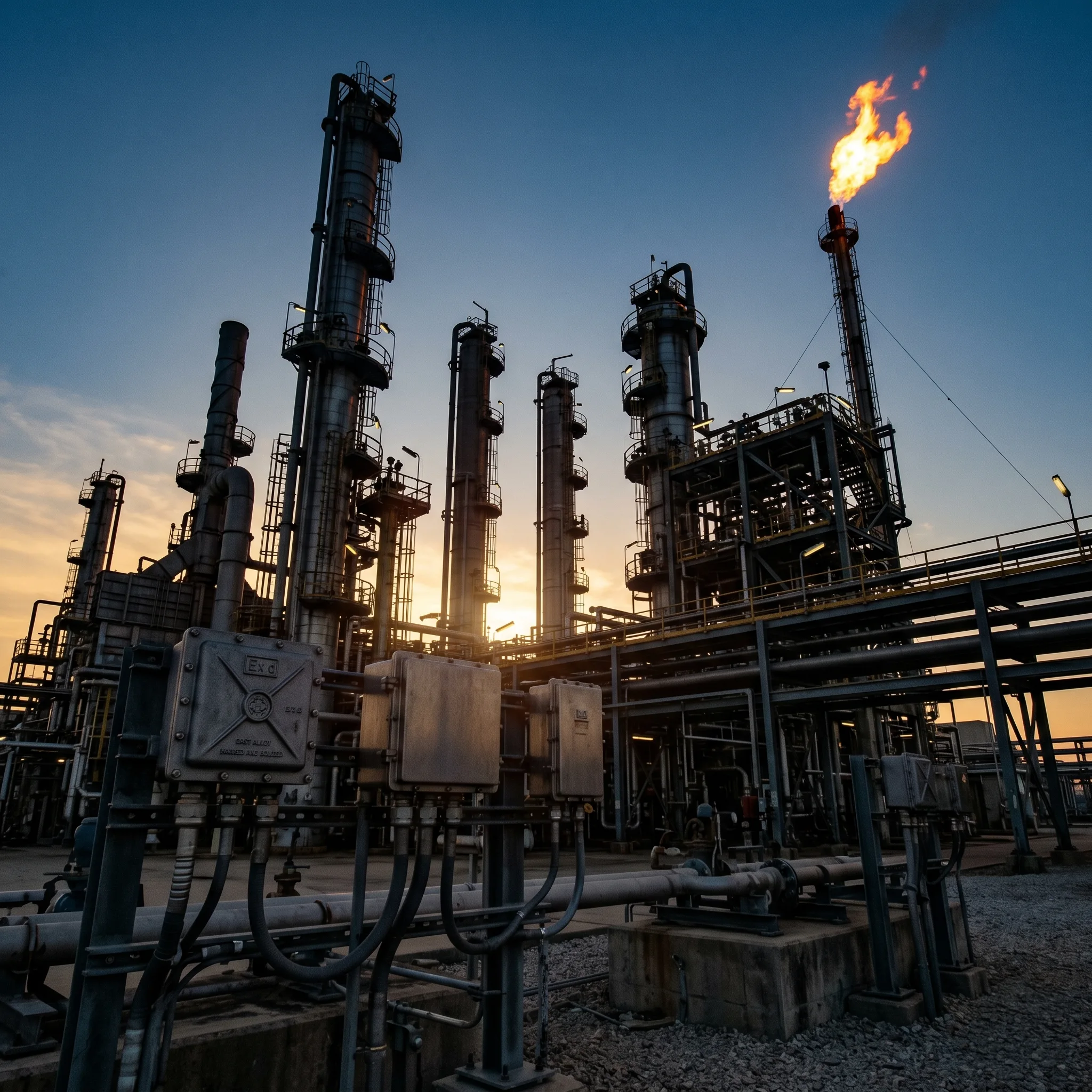
arnlea - audit-and-compliance-blog-image

🔒 In industries where safety and compliance are critical, maintaining a clear audit trail isn’t optional—it’s essential.

With Nexar, every inspection and action is digitally tracked to provide complete visibility and peace of mind.

Here’s how Nexar delivers audit-ready confidence:

đź•’ Logged and time-stamped
Every inspection, update, and action is automatically recorded with precise time and date details.

📝 Digitally recorded for full transparency
No paperwork, no uncertainty—just a clear, accessible record of what happened, when, and by whom.

đź“‚ Easily accessible for compliance reporting
With data stored securely in the cloud, generating reports for auditors and regulators is fast, accurate, and hassle-free.

For operators, this means the ability to demonstrate accountability with ease, while ensuring that no action is overlooked in the inspection process.

Nexar doesn’t just help you stay compliant—it builds trust and confidence in your inspection data.

👉 Learn more about Nexar’s compliance and audit capabilities: www.arnlea.com/nexar

‍

Share this post
Support

Frequently asked questions

Everything you need to know about the product and billing.
What equipment needs ATEX inspection?
Everything in a classified hazardous area. That covers electrical items (motors, lighting, junction boxes, panels, instrumentation) and non-electrical equipment where it has been assessed as a potential ignition source, such as rotating machinery or equipment that could generate static.‍
What standard governs ATEX inspections?
IEC 60079-17 (BS EN 60079-17 in the UK). It defines the three inspection grades, the four inspection types (initial, periodic, sample, special), and the requirements for inspection intervals and documentation.
How often should ATEX inspections be carried out?
IEC 60079-17 states that the interval between periodic inspections should not exceed three years, though this can be adjusted based on a documented risk assessment. Initial inspections must happen before commissioning. Portable apparatus typically needs inspecting every 12 months.
What are the three grades of Ex inspection?
Grade V (Visual) covers defects visible without tools, with equipment energised. Grade C (Close) covers defects found using hand tools and access equipment. Grade D (Detailed) covers defects found by opening enclosures and using test equipment, with the equipment de-energised.
What is ATEX/IECEx inspection?
It is the systematic examination of equipment installed in hazardous areas to verify it remains safe, correctly installed, and compliant with explosion protection standards. The process is governed by IEC 60079-17 and is a legal requirement under ATEX (in Europe) and DSEAR (in the UK).
Arnlea's Solutions

Discover our Range of Services

Arnlea provide more than just Ex software—we offer a complete solution to digitalise and optimise your Ex inspection process.

Nexar

Nexar is Arnlea’s powerful, purpose-built, cloud-based software for hazardous area inspections and asset management. Easy to deploy and simple to use, it’s packed with smart features that streamline your operations.

RFID Tags

Ensure accurate asset tracking with RFID tags, QR codes, or barcodes, reducing manual errors and improving efficiency.

ATEX Devices

We partner with top suppliers to provide the latest ATEX-certified tablets, mobiles, scanners, and laptops—ensuring you have the right technology for hazardous environments.
DIGITALISE YOUR EX INSPECTIONS TODAY
Start your journey with NEXAR
improve compliance
enhance safety
increase productivity
Nexar solution logo